
Mastering Slabs, XL Pavers, and Porcelain
The Large-Format Revolution
In the world of landscape design and hardscaping, trends don’t just change how a project looks… they change how a project gets built. Over the last few years, we’ve witnessed one of the most significant shifts in outdoor living history: the movement toward large-format scale.
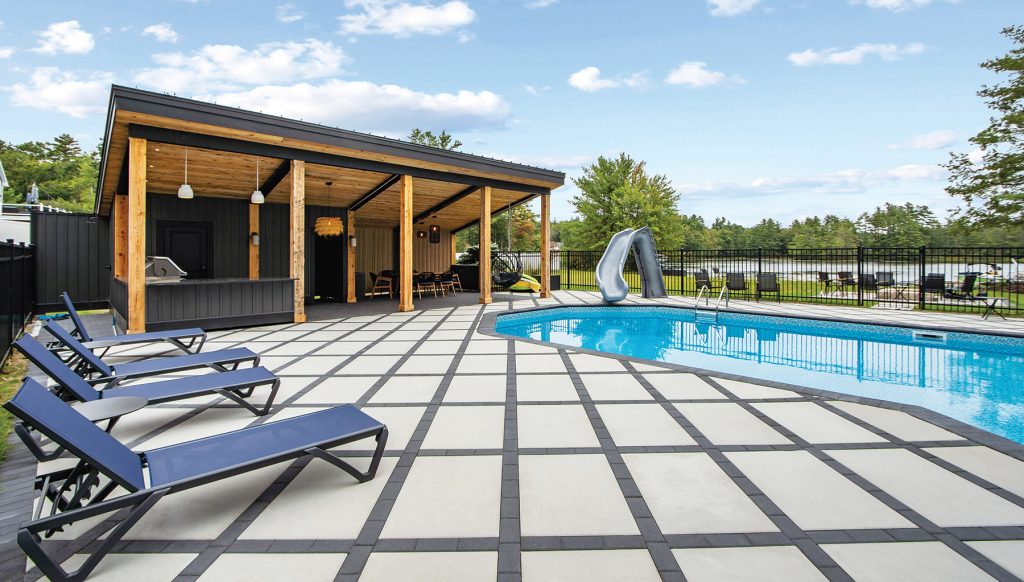
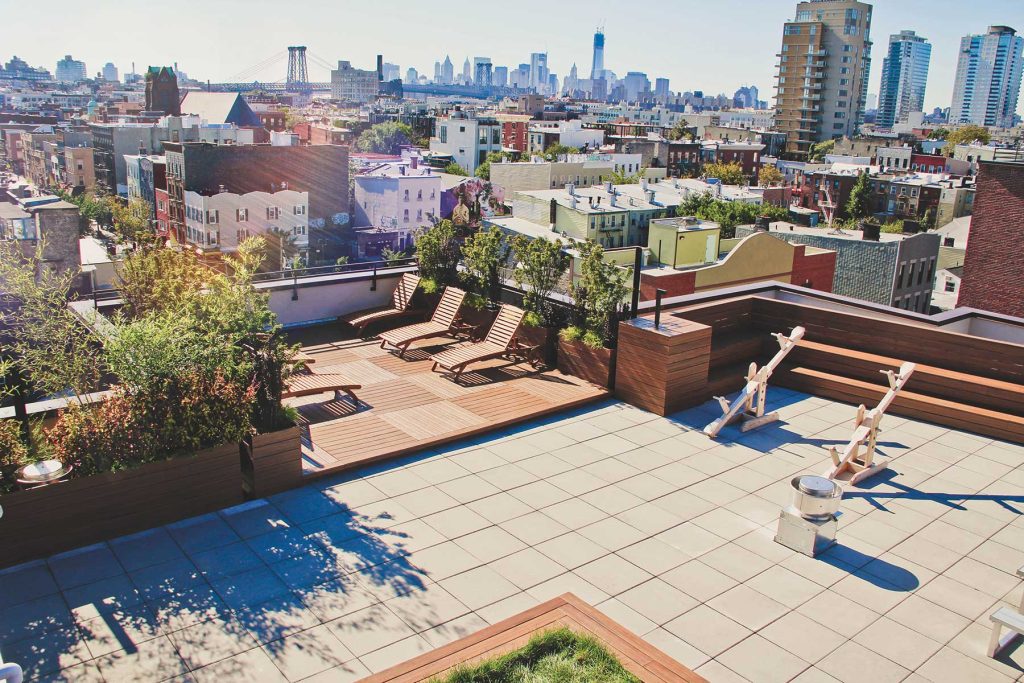
Walk through a high-end residential neighborhood in New Jersey today, and you’ll notice a distinct departure from the small, intricate, multi-piece paver patterns of the early 2000s. Today’s property owners want clean, continuous lines, wide expanses, and seamless transitions that extend indoor luxury right onto the outdoor patio.
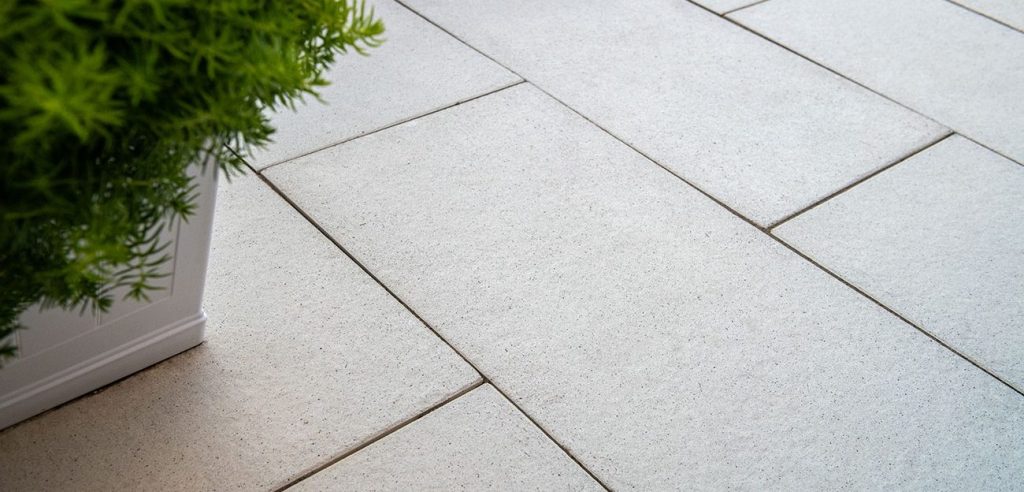
To achieve that modern, estate-level aesthetic, contractors are leaning heavily into large-format concrete slabs, oversized paver lines like Alpine Contemporary 24×36 from Nicolock or Soreno slabs from Unilock, and ultra-dense, non-porous Porcelain Pavers.
However, scaling up the physical footprint of your stone comes with a whole new set of jobsite rules. Here is a breakdown of why large-format is taking over, the installation challenges every crew needs to prepare for, and the specialized tools that make these builds successful.
Why Scale is Driving Modern Outdoor Living
The rise of large-format hardscaping isn’t just an aesthetic trend; it’s driven by how people utilize their outdoor spaces:
- Indoor-Outdoor Continuity: Homeowners want their outdoor kitchens, living rooms, and pool decks to mirror the large tile layouts inside their homes. Large slabs reduce visual clutter and create a sleek, open feel.
- Fewer Joint Lines: Fewer joints mean less open space for weeds to settle, less polymeric sand maintenance, and a smooth, trip-free surface underfoot.
- Modern Aesthetic: Oversized stone profiles and large porcelain pavers deliver a clean, architectural finish with minimal grid lines. They provide a sleek, minimalist canvas that elevates high-end patios, pool decks, and outdoor living areas while offering exceptional durability and weather resistance.
Know the Limits: Why Slabs Do NOT Belong on Driveways
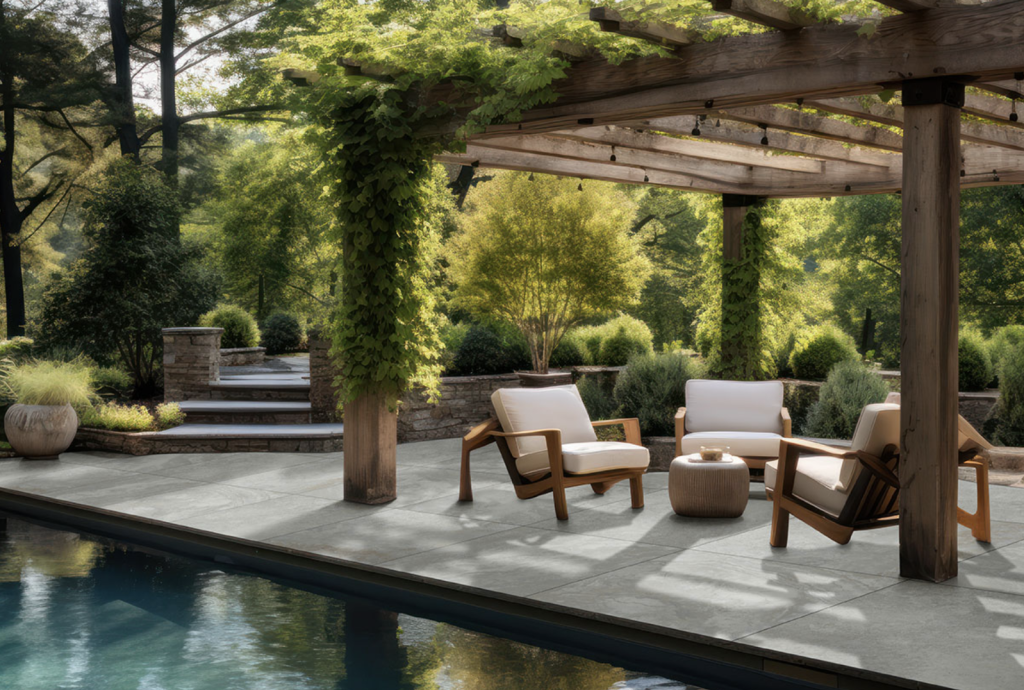
While large-format slabs look incredible across a back patio or an expansive walkway, one of the most critical mistakes a builder can make is confusing a pedestrian slab with a vehicular paver.
The Physics of Flexural Strength
Large slabs are thin relative to their massive surface area. When a heavy vehicle (like a full-sized SUV, a delivery van, or a pickup truck) drives onto a large slab, the weight isn’t distributed evenly. The tire places tremendous point-load pressure on one side of the stone while the rest of the unit sits flat. This creates severe flexural stress, causing the slab to snap, crack, or corner-chip almost instantly.
Interlocking Friction vs. Surface Area
Standard vehicular pavers (typically 80mm/3.15″ thick or greater) rely on high aspect ratios and dense jointing sand to interlock sideways, distributing wheel loads across the entire pavement system. Slabs lack this interlocking geometry.
- Rule of Thumb: Keep large-format slabs, porcelain, and XL units strictly to pedestrian zones—patios, pool decks, walkways, and outdoor kitchens. For driveways, always stick to engineered, vehicular-rated pavers manufactured specifically to handle heavy wheel loads and dynamic braking forces.
The Installation Shift: New Scale, New Rules
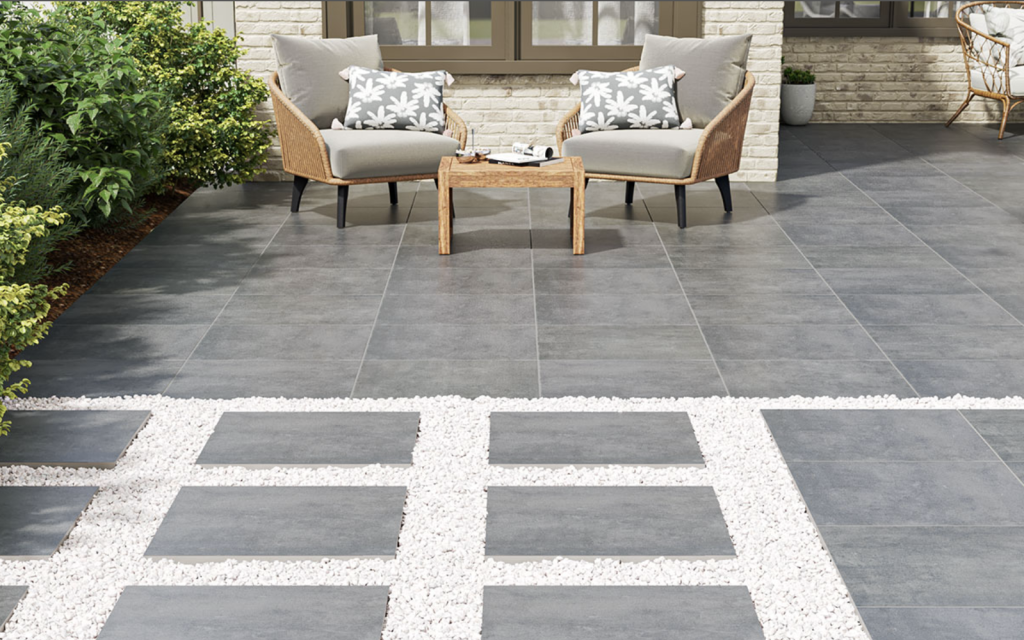
Laying a 24″x36″ slab or a heavy porcelain tile is an entirely different discipline than dropping in standard 6″x9″ pavers. Because larger units span wider surface areas, any small imperfection in your base prep is amplified instantly.
Sub-Grade & Base Precision is Non-Negotiable
With small pavers, minor base irregularities can sometimes blend into the pattern. With large-format slabs, a single high spot in your bedding sand creates a pivot point, leading to rocking, corner-chipping, or cracking once heavy patio furniture or vehicular loads are applied. Your screed layer must be laser-level and perfectly smooth.
Managing Thermal & Structural Movement
Larger units expand and contract differently than traditional pavers. Utilizing high-performance, flexible jointing materials (such as specialized polymer-modified sands or joint compounds engineered specifically for wide-format or low-absorption porcelain) is critical to absorb structural movement without popping the joint.
Upgrading Your Crew’s Arsenal
You can’t handle modern, large-format materials with mid-2000s gear. Trying to lift, set, and micro-adjust a 50+ pound slab by hand all day wears down your crew, slows down production, and dramatically increases the risk of chipped edges and back injuries.
To master large-format execution, top-tier contractors are upgrading their tool setups:
- Vacuum Suction Lifters: Mechanical or battery-powered vacuum lifters allow a single installer to pick up, align, and drop heavy slabs or porcelain perfectly flat without pinching fingers or scraping neighboring edges.
- Tile Leveling Systems: For porcelain installs over mortar or specialized pedestals, heavy-duty clip-and-wedge leveling systems eliminate lip-page and guarantee a completely flush surface across the entire grid.
- Diamond-Blade Wet Saws: Clean, precise cuts are vital when working with high-density porcelain and engineered concrete slabs. Having dedicated wet saws with porcelain-rated diamond blades keeps edges crisp and fracture-free.
For a list of hardscape tool brands we carry see here.
Build for the Future with Reuther Material
The large-format revolution is here to stay. Embracing these advanced systems allows builders to command higher-value projects, deliver breathtaking curb appeal, and provide clients with outdoor spaces built to withstand decades of weather.
Whether you need to see and feel samples of the latest paver trends, stock up on materials, or demo modern vacuum lifters to speed up your crew’s install time, we have you covered. Stop by our North Bergen or Succasunna today and let’s talk about your layout, line up your delivery, and get your team equipped with the industry’s best materials!